

Lower energy, slower recovery or a drop in sex drive can make you wonder if your testosterone is falling.
Or maybe, aside from symptoms, you have labs confirming it.
If you’ve been considering hormone replacement therapy, you may be wondering:
How can it safely and effectively raise your testosterone levels?
In this guide, you will learn how hormone replacement therapy increases testosterone in men and what the implications may be for your body moving forward.
At KC Wellness, your treatment plan is tailored to your labs and your symptoms, with dosing adjusted through careful medical monitoring.
If you want safe, evidence-based support as you begin testosterone therapy, book a consultation.
How Hormone Replacement Therapy Increases Testosterone in Men
Hormone replacement therapy increases testosterone by restoring physiologic hormone levels through medically supervised dosing, regular lab monitoring and functional optimization of the endocrine system.
The Role of Testosterone in Men’s Health
Testosterone is the hormone that drives many of the key functions in a man’s body. It supports muscle strength, energy, libido and mood.
It also affects cognition, bone density and metabolic health.
How is testosterone produced?
When Luteinizing hormone (LH) signaling weakens, testosterone production declines, which is why experienced providers evaluate LH, SHBG and estradiol together when determining whether testosterone therapy is appropriate.
Put simply, your brain tells your testes when to make testosterone. But when that signal gets weaker, your body makes less of it.
Why Testosterone Levels Decline as Men Age
Testosterone declines more as men age because their bodies become naturally less effective at producing it. The average testosterone levels drop about 1–2% per year after age 30.
Here are the common factors affecting testosterone decline with age:
- Normal age-related decrease: As you age, your brain sends weaker signals to produce testosterone.
- Age-related inflammation and stress: Your body builds up more inflammation and oxidative stress over time. Both can interfere with hormone signaling. When the signaling becomes weaker, the testes don’t get the strong, consistent instructions they need to keep producing testosterone.
- Poor sleep quality: Sleep quality often declines with age. Poor sleep lowers testosterone.
- Medical conditions: Diabetes, obesity and thyroid disorders are all diseases that can disrupt your hormonal balance and lead to testosterone decline.
Symptoms That May Indicate Low Testosterone
When testosterone levels start to decline, the body often shows early changes that many men don’t recognize right away.
These symptoms tend to build slowly, which makes them easy to blame on stress, aging or lifestyle rather than hormone imbalance.
Common testosterone deficiency symptoms include:
- Fatigue and low stamina – Low testosterone affects energy production. It can also lead to a drop in red blood cell production, which intensifies fatigue and reduces stamina.
- making you feel tired even after rest.
- Reduced libido or erectile changes – One of the most noticeable signs of low libido in men, tied directly to hormone imbalance.
- Muscle loss and fat gain – Testosterone supports lean muscle and metabolism, so lower levels make body composition harder to maintain.
- Mood shifts, irritability or brain fog – Hormones influence brain chemistry and mental clarity.
- Poor recovery from exercise – Slower muscle repair is common when testosterone falls.
- Sleep disruption – Low levels can affect sleep quality, which then worsens hormone balance over time.
What is hormone replacement therapy for men?
Hormone replacement therapy for men is a treatment used to restore testosterone to healthy levels.
It supports men who experience ongoing symptoms of low testosterone and want a steady, controlled way to improve hormone balance.
This approach is often referred to as testosterone replacement therapy and works by supplementing the body with bioidentical testosterone that matches the hormone your body naturally makes.
When levels are restored, many of the physical and emotional symptoms linked to low testosterone become easier to manage.
Testosterone therapy requires medical oversight, not guesswork
Testosterone therapy is not a one-size-fits-all treatment.
Safe and effective care requires physician-led protocols, lab-based dosing decisions and ongoing monitoring as your body responds.
At KC Wellness, testosterone dosing is guided by baseline labs, symptom response and follow-up testing, not fixed schedules or averages. This medical oversight helps ensure hormone levels rise steadily without pushing the body outside healthy ranges.

How Hormone Replacement Therapy Increases Testosterone in Men
Hormone replacement therapy increases testosterone by restoring physiologic hormone levels under medical supervision, using lab-guided dosing to match both symptoms and measurable hormone markers.
It replaces the hormone your body no longer makes in healthy amounts.
Testosterone naturally declines with age, and many men fall below optimal ranges long before they expect it.
Bioidentical therapy adds back the same structure of testosterone your body produces, which helps restore strength, energy and libido more effectively than synthetic forms.
It provides a steady, predictable level of testosterone.
Low testosterone often causes energy swings and mood changes. A consistent dose helps stabilize these patterns, giving you more balanced motivation and clearer thinking throughout the day.
It activates the same pathways your natural testosterone uses.
Once in the bloodstream, bioidentical testosterone binds to androgen receptors in muscle, brain, bone and fat tissue.
When these receptors are activated, the body can support muscle repair, improve libido, regulate mood and optimize metabolic function.
It corrects the hormone imbalance behind your symptoms.
Testosterone works closely with hormones like estrogen and cortisol, so a drop in one hormone disrupts the entire system.
Restoring testosterone helps re-establish normal signaling, which often reduces symptoms such as fatigue, low mood and slow recovery. Clinical studies also link balanced testosterone levels with improved metabolic health.
Why safe testosterone therapy focuses on physiologic ranges
Effective testosterone therapy aims to restore physiologic hormone levels, not push testosterone beyond what the body can safely manage. Maintaining levels within a healthy range helps protect cardiovascular health, red blood cell balance and estrogen conversion.
This approach supports sustainable results rather than short-term hormone spikes.
Why testosterone must be balanced with other hormones
Testosterone does not work in isolation.
It interacts closely with estradiol, SHBG and cortisol, and changes in one hormone affect the others. If testosterone rises without proper balance, symptoms like fluid retention, mood changes or fatigue can appear.
Functional hormone therapy looks at the full hormone network, so testosterone supports energy, strength and mood without creating new imbalances.
Benefits of Testosterone Replacement Therapy
Once testosterone levels are restored, many men notice improvements in several areas of daily life.
These TRT benefits appear gradually but often feel meaningful because they target the symptoms that low testosterone affects most.
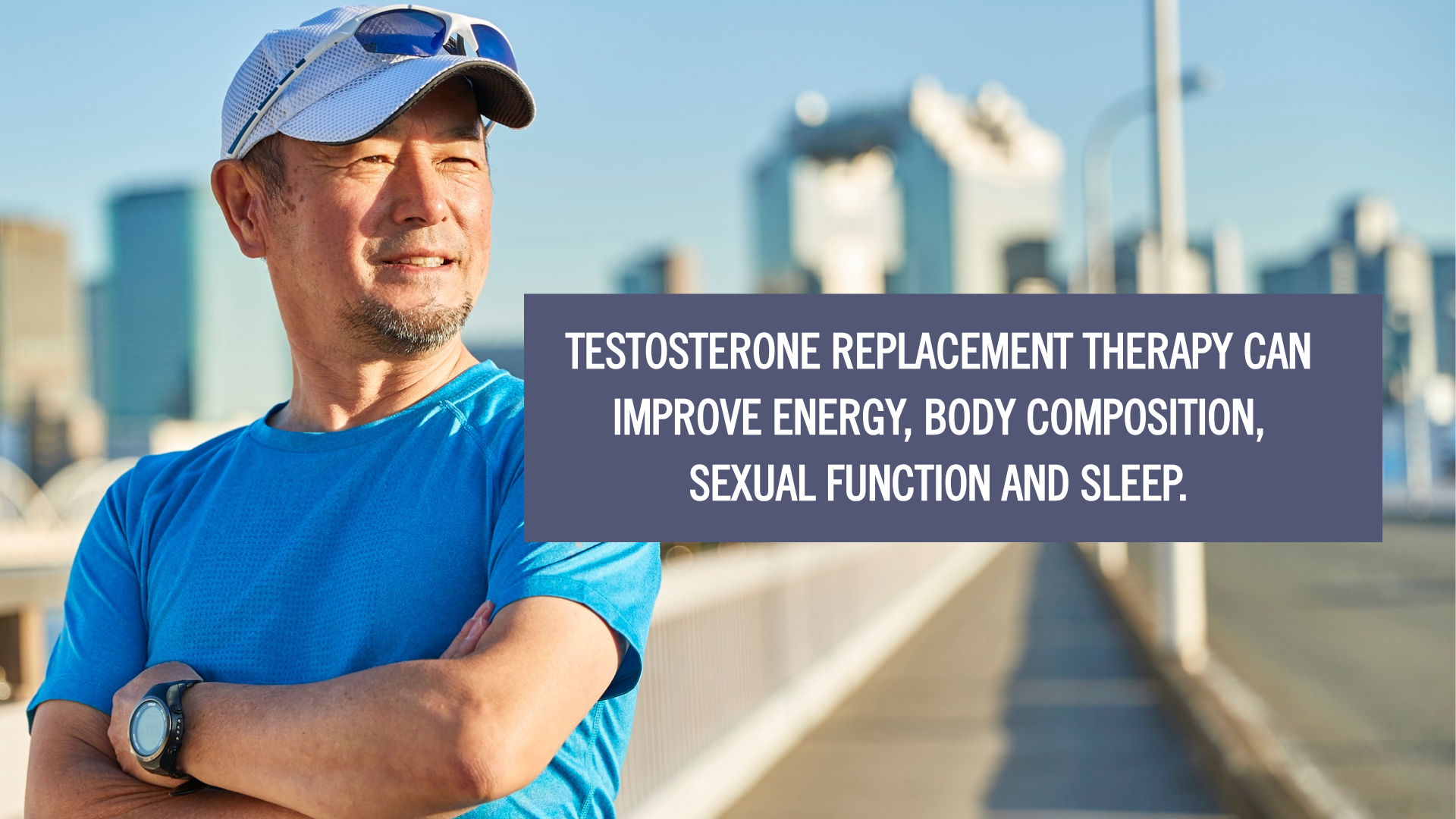
- Improved energy: Many men feel more alert and less fatigued as testosterone supports better energy production.
- Better mood and mental clarity: Stable hormone levels help regulate neurotransmitters that influence focus, confidence and emotional balance.
- Increased muscle strength and easier fat loss: Testosterone plays a key role in muscle repair and metabolism, making physical changes more achievable.
- Stronger libido and erectile support: This is one of the most noticeable outcomes, supported by testosterone’s influence on sexual function.
- Improved sleep quality: Balanced hormones help regulate sleep patterns, which further support recovery and daily performance.
What to Expect During Testosterone Replacement Therapy
Most men notice an initial adjustment period during the first few weeks as their bodies respond to higher testosterone levels.
Early improvements often show up as better energy, a more stable mood and sharper mental clarity.
Ongoing monitoring is a critical part of testosterone therapy. Follow-up labs typically track total and free testosterone, estradiol, hematocrit and markers related to cardiovascular and metabolic health.
Hematocrit levels are monitored to ensure red blood cell counts stay within safe ranges, and dosing is adjusted if thresholds are approached. This structured monitoring helps keep therapy both effective and safe over time.
At KC Wellness, testosterone dosing is adjusted based on both symptoms and repeat lab testing, typically every 8–12 weeks, to ensure levels remain effective, balanced and safe over time.
How long does testosterone therapy take to work?
Many men want to know how fast testosterone therapy works, and the timeline is gradual but steady.
Most early changes appear within the first few weeks, while physical improvements take more time.
Here’s the general TRT timeline to help you set realistic expectations:
- Weeks 1–2: Subtle improvements in energy, focus and overall motivation often appear first as hormone levels begin to rise.
- Months 1–3: Changes in libido, strength, mood and body composition become more noticeable. Many men report feeling more consistent day to day as testosterone stabilizes.
- Beyond 3 months: Metabolic benefits, muscle development and long-term mood improvements continue as hormone balance becomes more established.
Results always vary based on dosing, overall health and how consistently therapy is used, but most men see meaningful shifts across the first several months.
When should you consider hormone testing?
Knowing when to test testosterone levels can make a big difference in how quickly symptoms begin to improve.
Many men delay testing because they assume their changes are due to stress or age, but early hormone imbalance testing helps identify issues before they progress.
You may want to consider men’s hormone testing if you notice:
- Low energy or reduced motivation
- Changes in libido or erectile function
- Mood shifts, irritability or brain fog
- Slower recovery from exercise
- Unexplained fat gain or muscle loss
A standard hormone panel often includes total testosterone, free testosterone, SHBG, LH and estradiol, along with other markers your provider may need to understand your full hormone picture. These labs help show whether your symptoms are linked to testosterone itself or to the hormones that regulate it.
Understanding your hormones can help you feel like yourself again
Medically supervised testosterone therapy works best when dosing, hormone balance and safety markers are managed together through consistent lab monitoring and clinical experience.
At KC Wellness, our providers use a functional and integrative approach to create personalized hormone treatment plans backed by over 70 years of combined clinical experience.
Book a consultation. Ask our team which treatment approach is right for you.
FAQs
What does hormone replacement therapy do for men?
Hormone replacement therapy restores testosterone to healthy levels, helping improve energy, mood, muscle strength, libido and overall metabolic health when levels decline.
How does testosterone replacement therapy increase testosterone?
Testosterone replacement therapy increases testosterone by supplying bioidentical hormones that match what the body naturally produces, restoring stable levels the body can use effectively.
How long does it take for testosterone therapy to work?
Most men notice improved energy and focus within weeks, with changes in libido, strength and body composition becoming clearer over 1–3 months as levels stabilize.
Is testosterone replacement therapy safe for men?
When medically supervised with regular labs, testosterone therapy is considered safe and effective, with dosing adjusted to avoid side effects and maintain healthy hormone balance.
What are signs that testosterone is low in men?
Low testosterone symptoms include fatigue, reduced libido, muscle loss, brain fog, poor recovery, mood changes and increased body fat that often develop gradually.
Why does testosterone decrease with age?
Testosterone declines about 1–2% per year after age 30 due to weaker brain signaling, increased inflammation, poor sleep and age-related metabolic changes.
What labs are needed before starting testosterone therapy?
Testing usually includes total testosterone, free testosterone, SHBG, LH and estradiol to understand hormone production, availability and balance before treatment begins.
Can testosterone therapy improve energy and mood?
Yes. Restoring testosterone often improves energy, motivation, mood stability and mental clarity by supporting neurotransmitters and metabolic function.
Does testosterone replacement therapy help with muscle and fat loss?
Balanced testosterone supports muscle repair and metabolism, making it easier to build lean muscle and reduce fat when combined with proper nutrition and activity.
How often are labs checked during testosterone therapy?
Most providers check labs every few months to ensure testosterone levels stay stable, effective and safe while adjusting dosing as the body responds.

Dr. Rahul Kapur, M.D. is a board-certified family medicine physician with a dedicated passion for integrative medicine and a deep knowledge of functional medicine. He was named intern of the year at Wesley Medical Center in Wichita, KS, and has been practicing as a hospitalist for over a decade. He has successfully helped many patients in Kansas City with his specialized IV bags, ketamine therapy, hormone optimization and weight loss therapy methods.
